
New to EDC Fidget
A first tool should feel easy to understand, easy to control, and easy to keep using.
The main risk is choosing something too loud, too heavy, or too specific before you know what kind of feedback you actually enjoy. Start with a direction that feels natural quickly and works in more than one situation.
Choosing a Gift
A gift should feel mature before it needs explanation.
The safest direction is not the most extreme design. It is something clean, balanced, low-profile, and easy for someone else to accept without already knowing the EDC fidget world.
Using It at Work
A work tool has to stay usable around other people.
For calls, reading, meetings, or shared desk time, the wrong sound profile can make even a well-made tool hard to use. Low distraction matters more than maximum feedback here.
→ View Quiet Work-Friendly Tools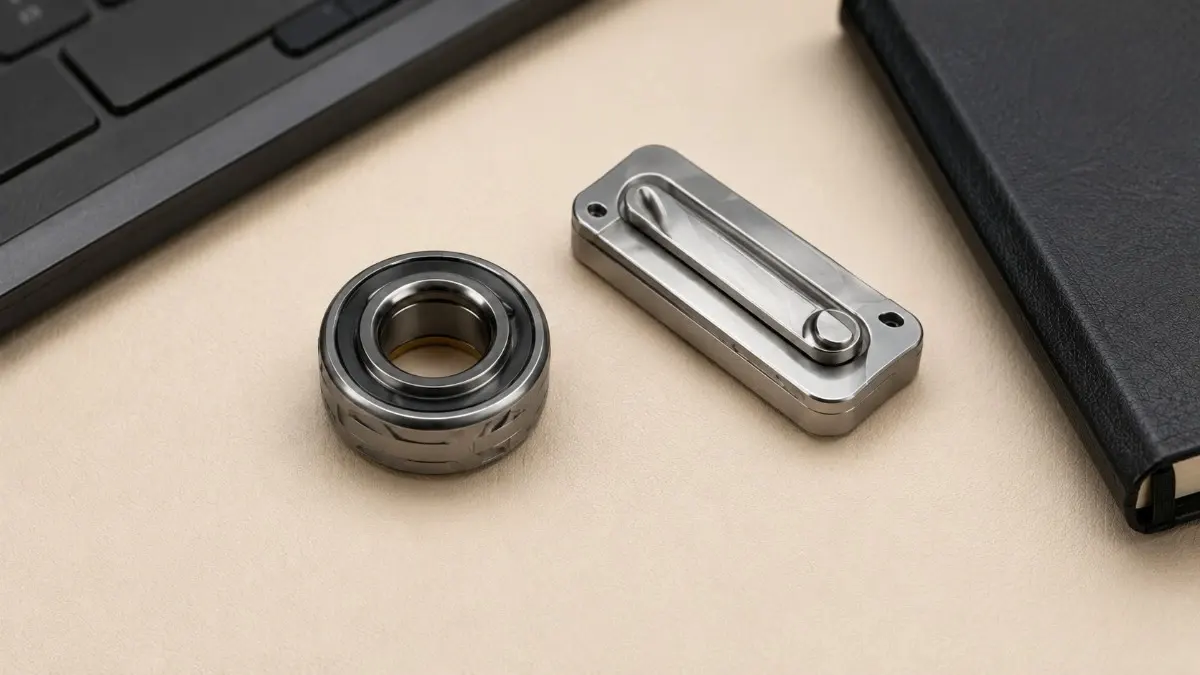
Carrying It Every Day
A carry tool has to live with you, not just look good online.
If it feels bulky, sharp, heavy, or annoying in the pocket, it will not stay in your daily rotation. For carry, comfort over time matters more than visual impact.
→ Explore Compact Carry Tools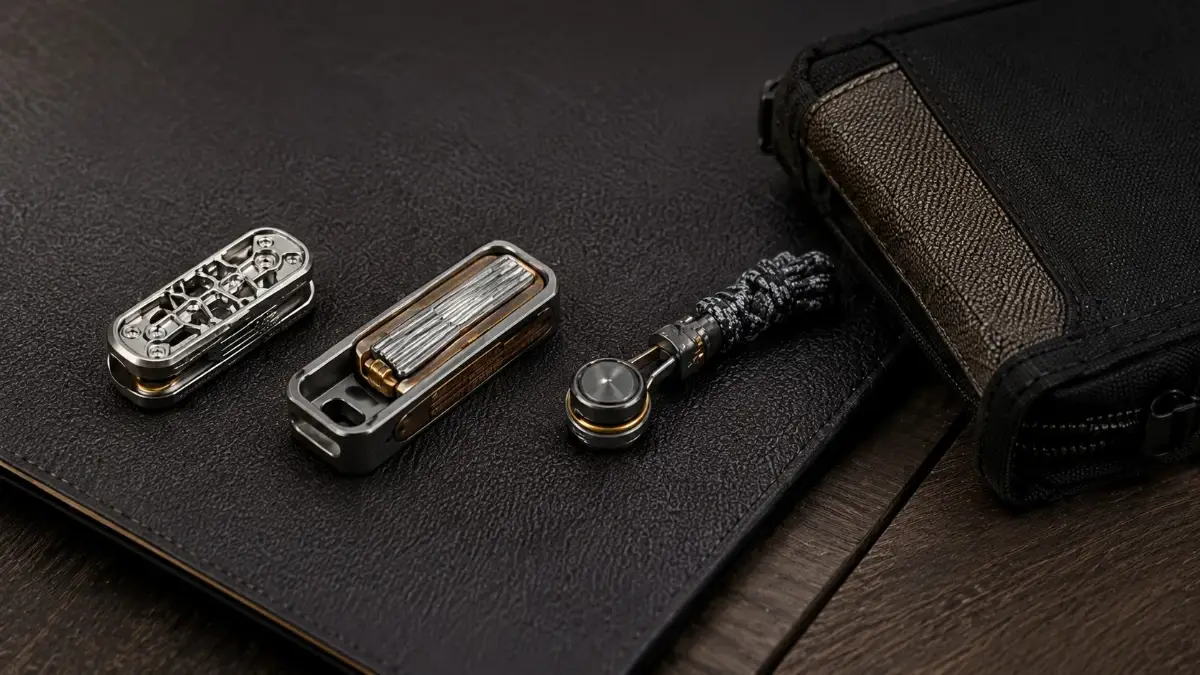
Using It at a Desk
A desk tool does not need to disappear into a pocket.
This is where weight, stability, slower movement, and material presence become part of the experience. The right desk tool feels like it belongs near your keyboard, notebook, pen, or workbench.
→ Browse Desk-Ready Tools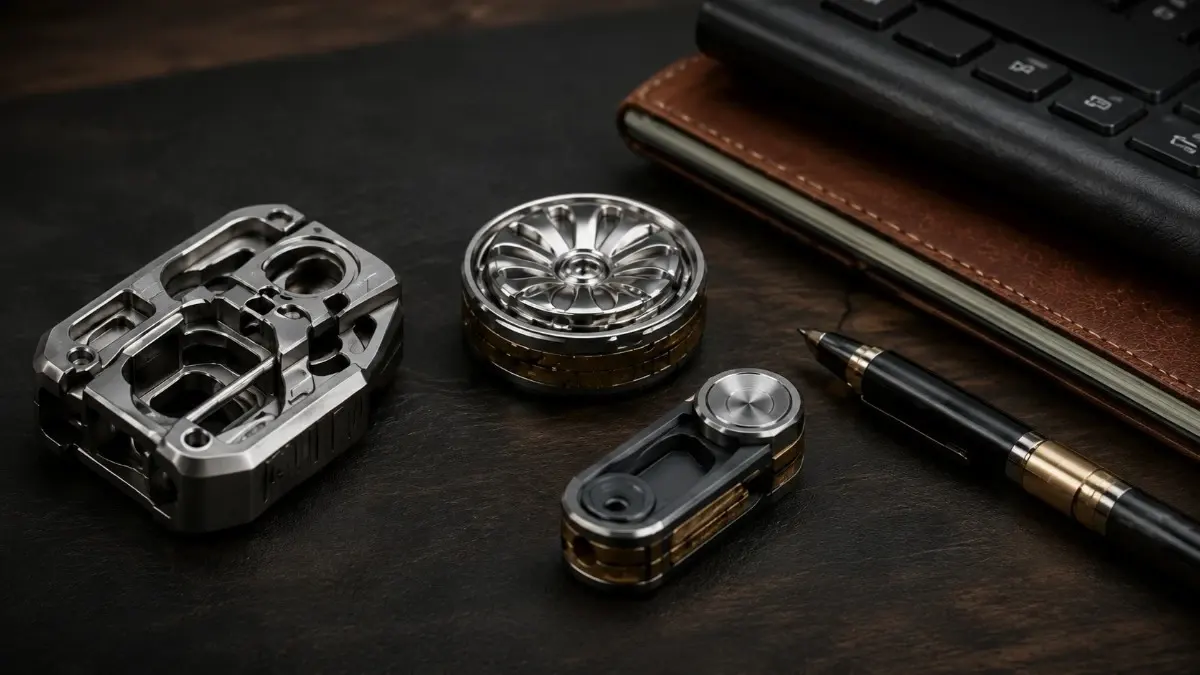
Wanting Mechanical Feedback
Here, the action matters as much as the object.
You are choosing the feel of the movement: the click, the slide, the snap back, the pull, the resistance, and the reset. A good mechanical tool gives your hand a clear cycle to repeat.
→ Find Mechanical Feedback Tools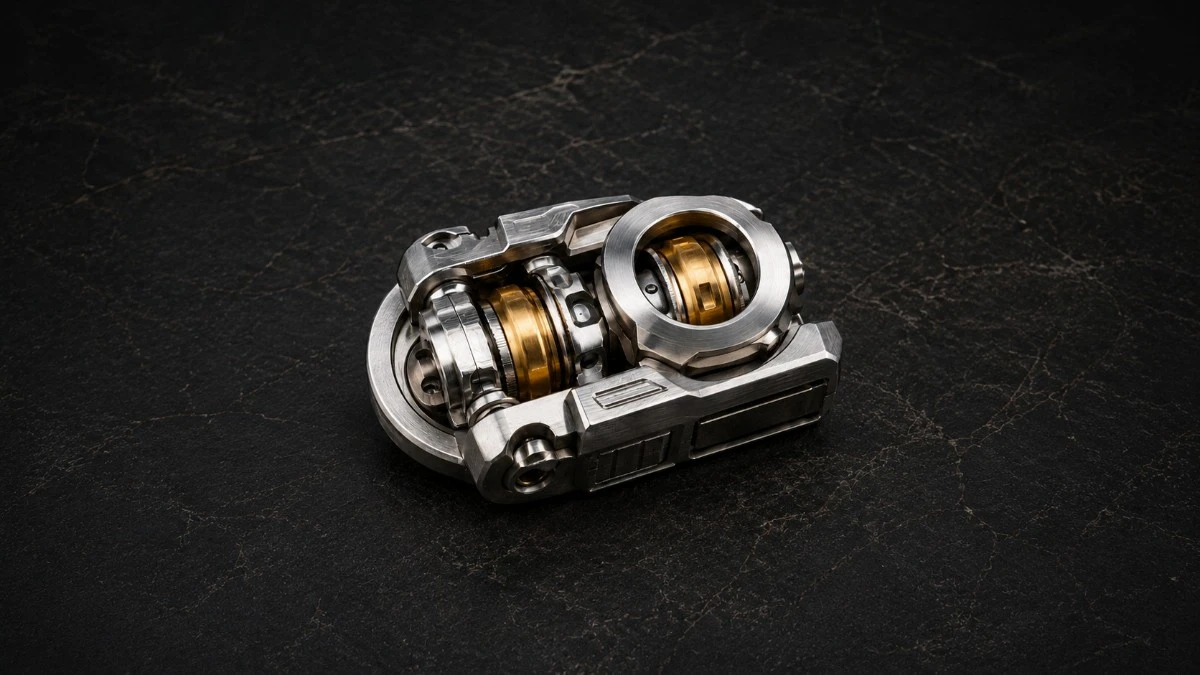
- Click, slide, snap, reset.
- Repeatable tactile response.
- Clear mechanical cycle.
Collecting by Material and Contrast
If you already own a few tools, the next one should bring a new reason to reach for it.
The point is not repetition. It is contrast: a different feel, sound, material, weight, finish, or role in your rotation. One tool may belong in the pocket, another on the desk, and another in private use.
→ Explore Material-Driven ToolsInterested in Mechanical Details
For some users, the mechanism itself is part of the appeal.
Visible structure, screws, serviceability, adjustable tension, bearings, magnets, springs, and maintenance-friendly layouts all matter when you want to understand how the tool works, not just how it looks.
→ View Mechanism-Focused Tools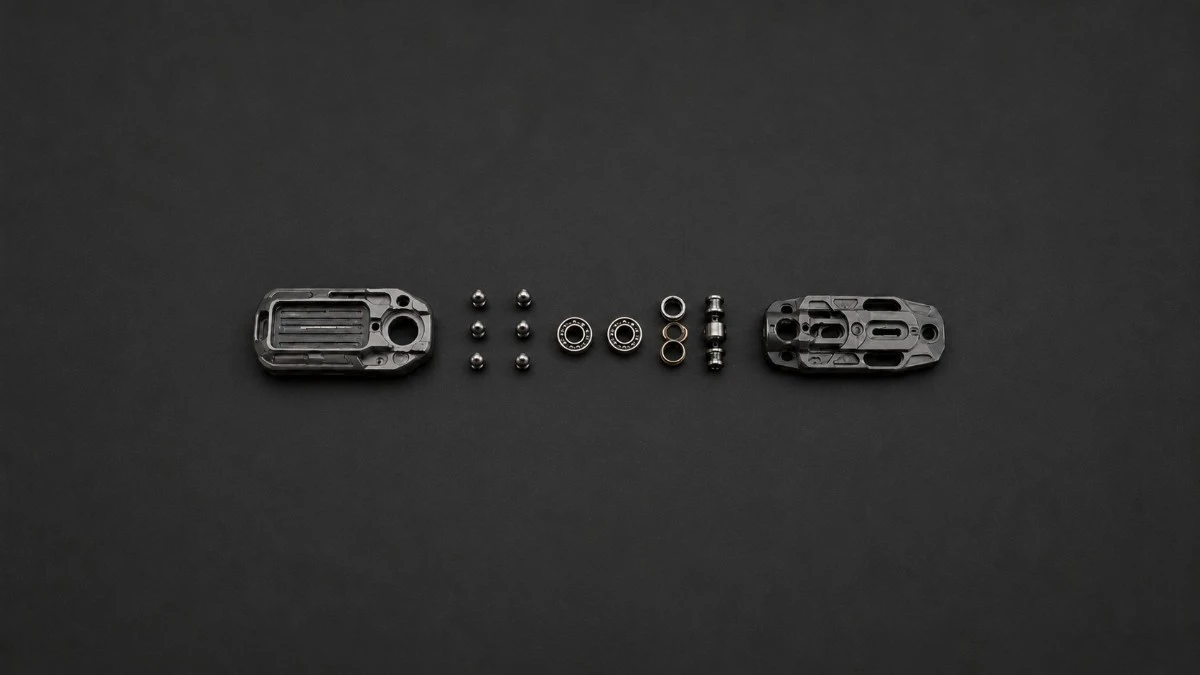
New to EDC Fidget
A first tool should feel easy to understand, easy to control, and easy to keep using.
The main risk is choosing something too loud, too heavy, or too specific before you know what kind of feedback you actually enjoy. Start with a direction that feels natural quickly and works in more than one situation.
Choosing a Gift
A gift should feel mature before it needs explanation.
The safest direction is not the most extreme design. It is something clean, balanced, low-profile, and easy for someone else to accept without already knowing the EDC fidget world.
Using It at Work
A work tool has to stay usable around other people.
For calls, reading, meetings, or shared desk time, the wrong sound profile can make even a well-made tool hard to use. Low distraction matters more than maximum feedback here.
→ View Quiet Work-Friendly Tools
Carrying It Every Day
A carry tool has to live with you, not just look good online.
If it feels bulky, sharp, heavy, or annoying in the pocket, it will not stay in your daily rotation. For carry, comfort over time matters more than visual impact.
→ Explore Compact Carry Tools
Using It at a Desk
A desk tool does not need to disappear into a pocket.
This is where weight, stability, slower movement, and material presence become part of the experience. The right desk tool feels like it belongs near your keyboard, notebook, pen, or workbench.
→ Browse Desk-Ready Tools
Wanting Mechanical Feedback
Here, the action matters as much as the object.
You are choosing the feel of the movement: the click, the slide, the snap back, the pull, the resistance, and the reset. A good mechanical tool gives your hand a clear cycle to repeat.
→ Find Mechanical Feedback Tools
- Click, slide, snap, reset.
- Repeatable tactile response.
- Clear mechanical cycle.
Collecting by Material and Contrast
If you already own a few tools, the next one should bring a new reason to reach for it.
The point is not repetition. It is contrast: a different feel, sound, material, weight, finish, or role in your rotation. One tool may belong in the pocket, another on the desk, and another in private use.
→ Explore Material-Driven ToolsInterested in Mechanical Details
For some users, the mechanism itself is part of the appeal.
Visible structure, screws, serviceability, adjustable tension, bearings, magnets, springs, and maintenance-friendly layouts all matter when you want to understand how the tool works, not just how it looks.
→ View Mechanism-Focused Tools
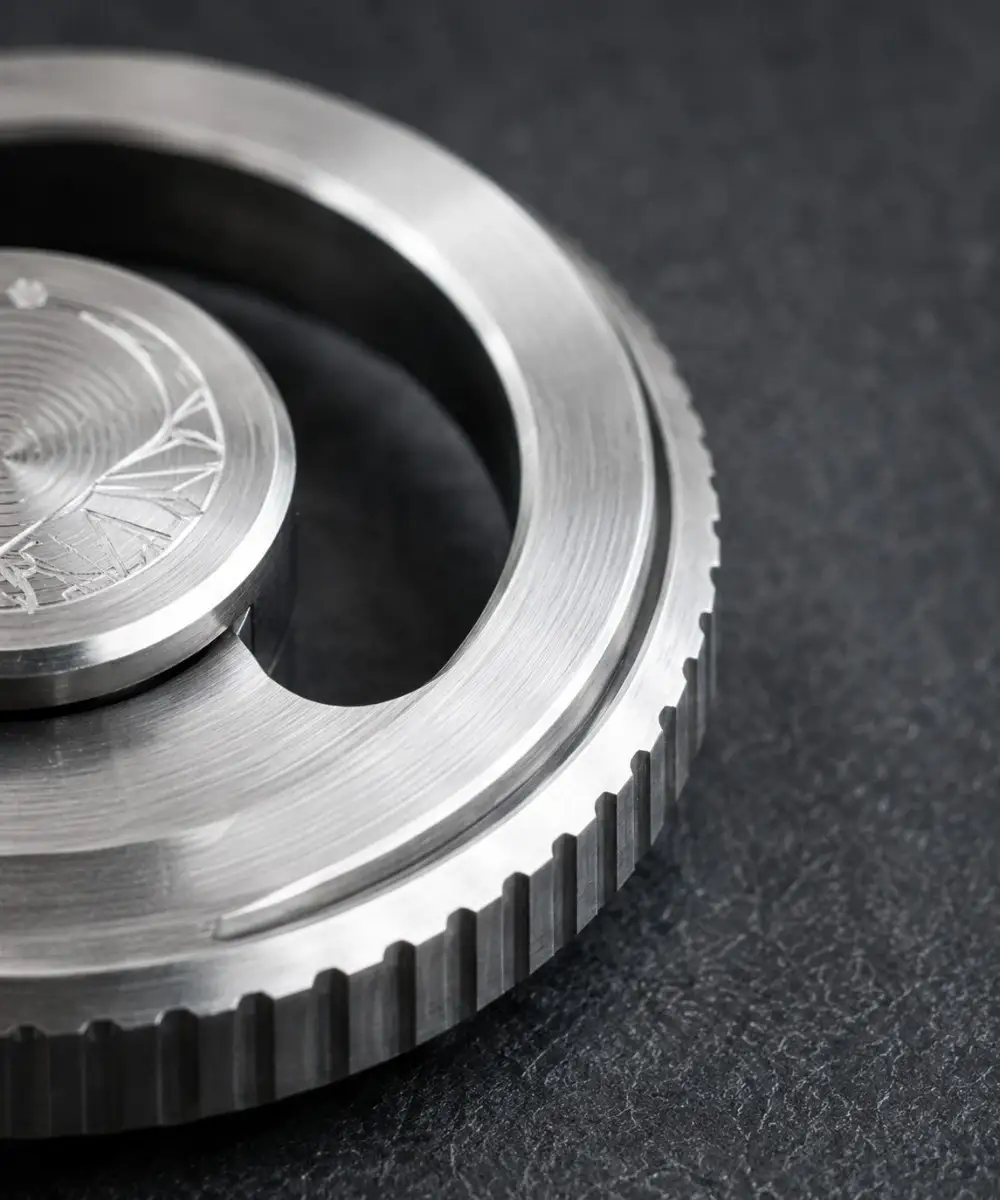
Stainless Steel
Character:
Clean, balanced,
mechanical
Best For:
Daily use, stable feel

Brass
Character:
Warm, heavier,
old-school
Best For:
Desk use, patina
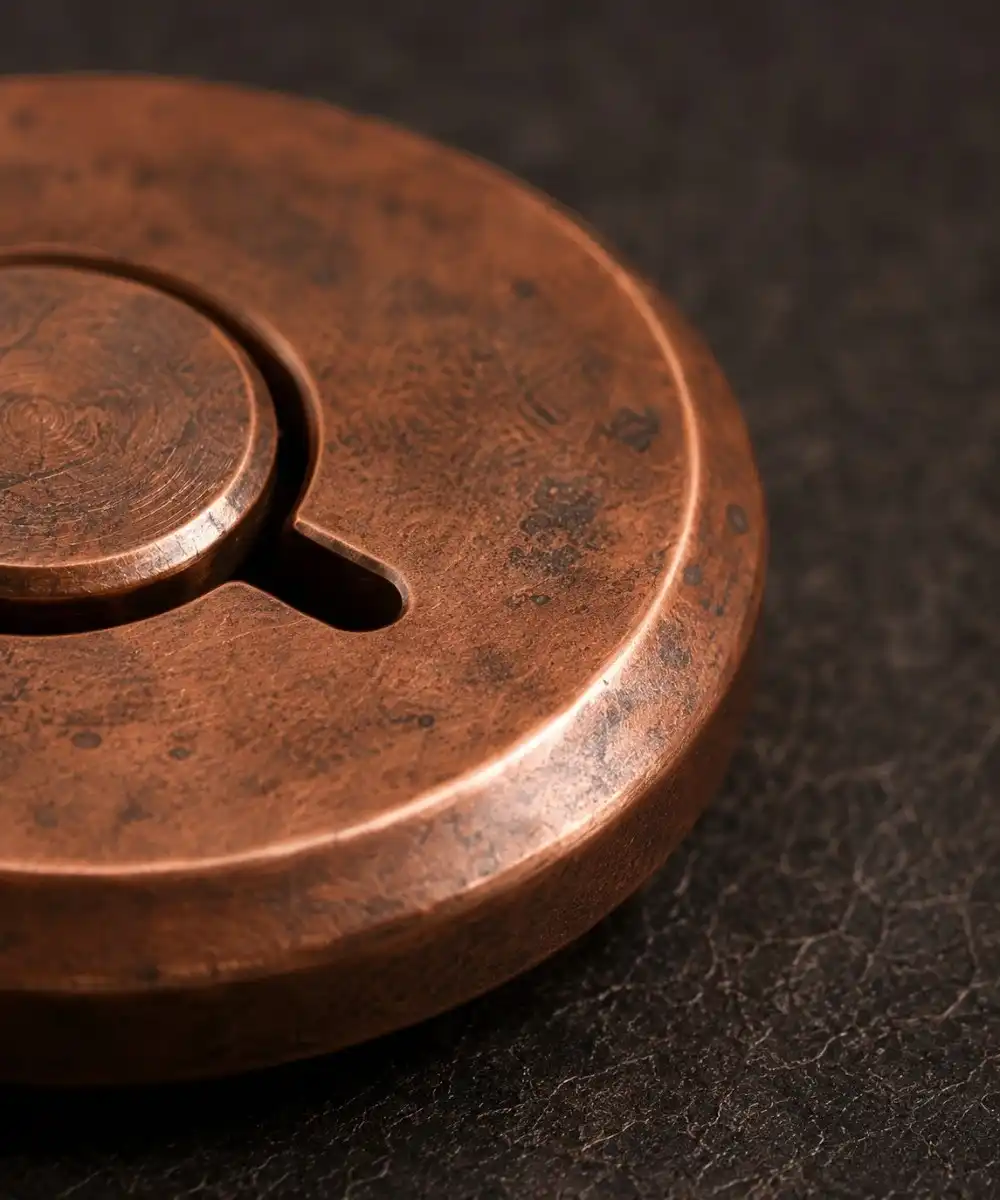
Copper
Character:
Dense, reactive,
visible aging
Best For:
Heavy hand feel
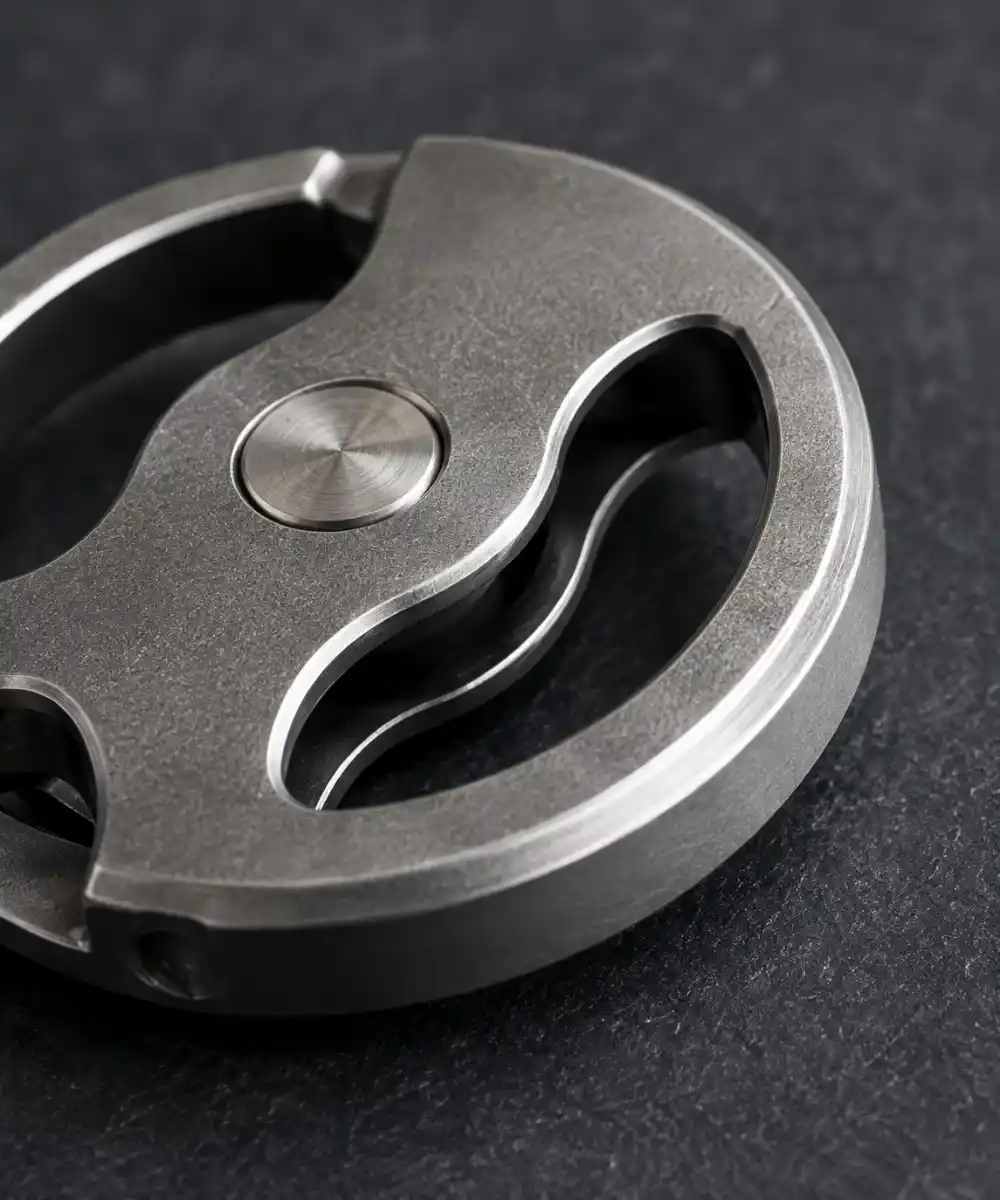
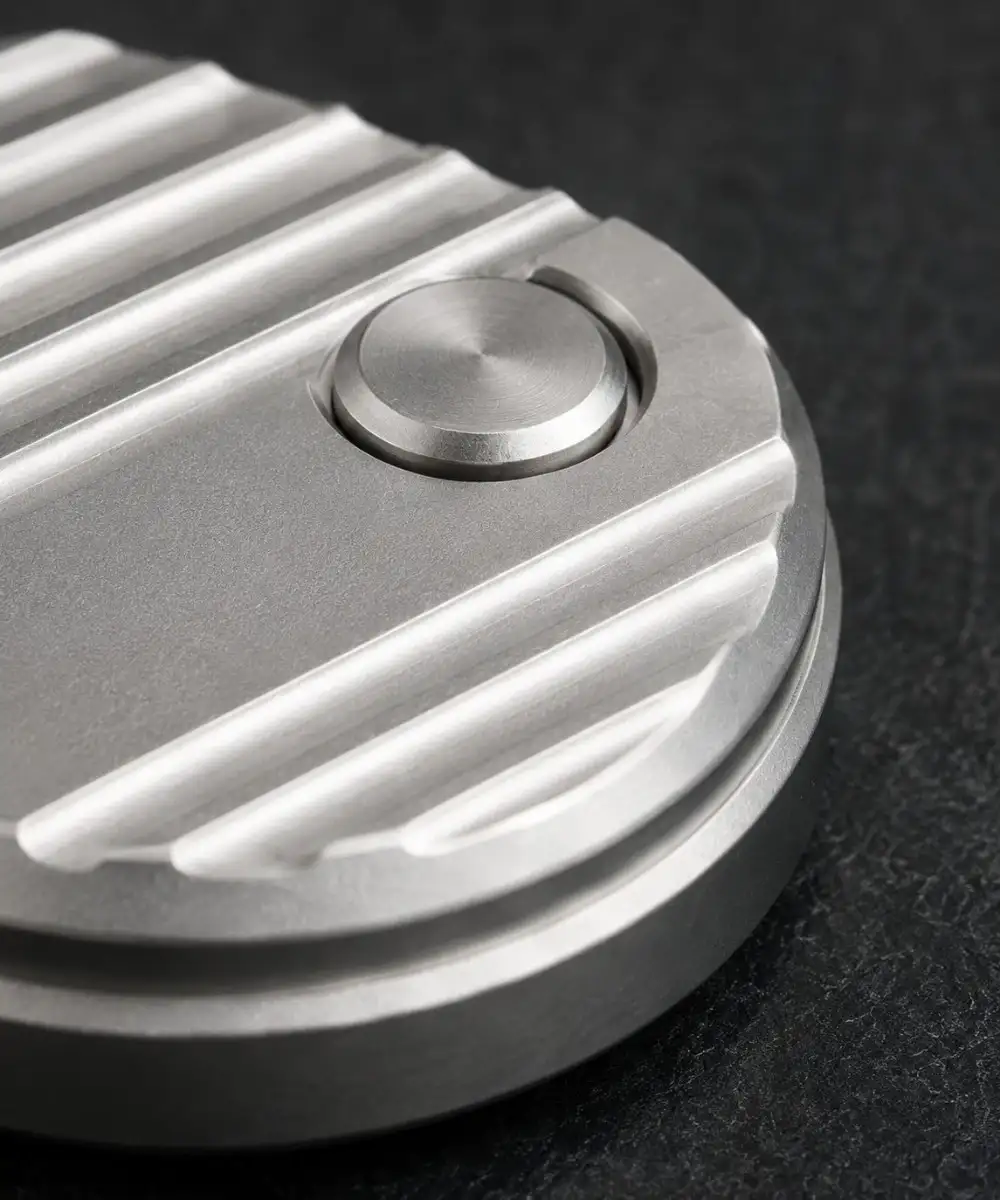
Titanium
Character:
Light, tough,
technical
Best For:
Daily carry
Aluminum
Character:
Light, simple,
easy to carry
Best For:
First tools, low weight
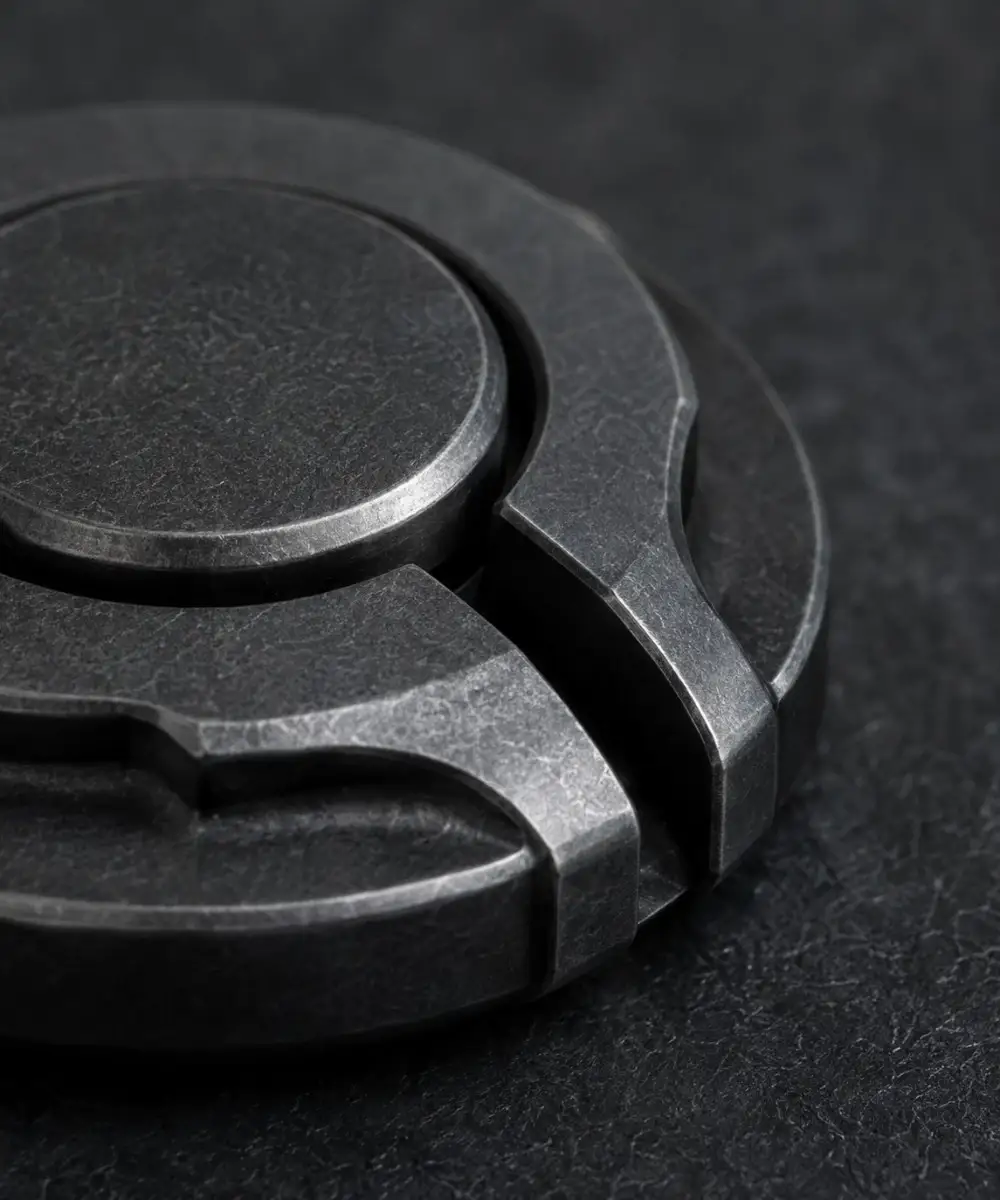
Zirconium
Character:
Dark, dense,
distinctive
Best For:
Experienced users
Choose stainless steel for balance.
Choose brass or copper for warmth, weight, and natural patina.
Choose titanium or aluminum for lighter, carry-friendly utility.
Choose zirconium for a darker, denser, and more distinctive presence.
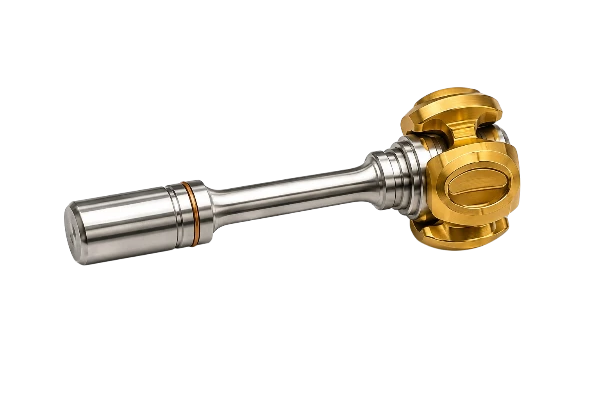
Silent / Quiet
Meetings, shared offices, reading, calls
Relies entirely on tactile feedback.
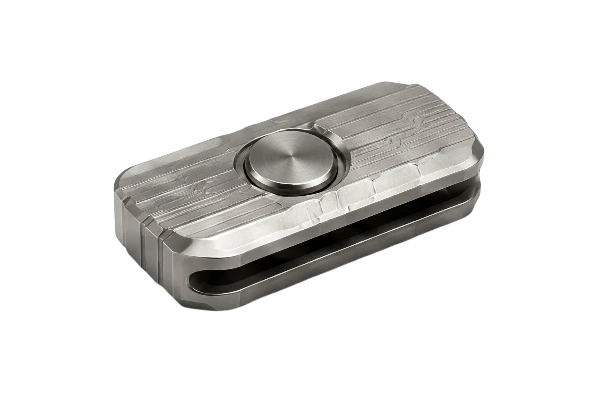
Soft
Personal desk use, quiet breaks
Only noticeable in very quiet rooms.
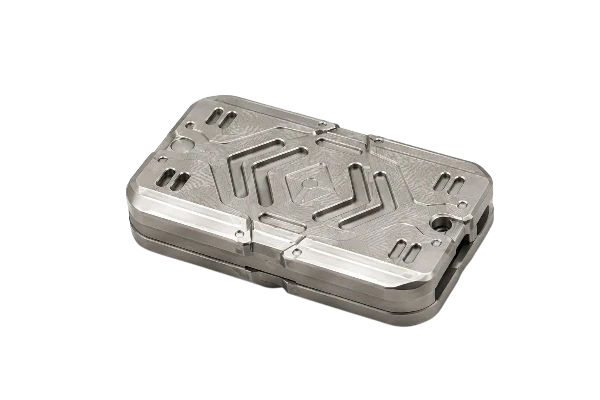
Audible
Private desk use, short breaks
Noticeable within arm’s reach.
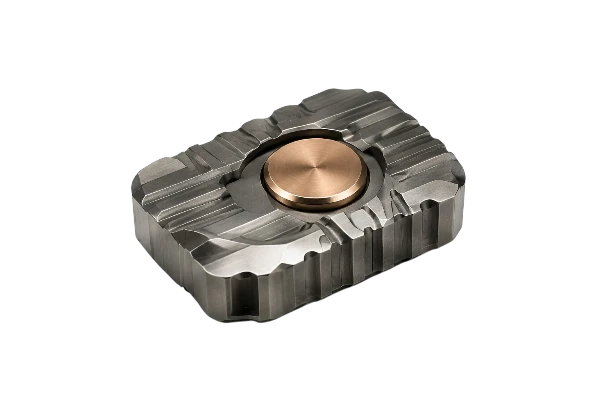
Clicky
Private use, strong mechanical feedback
Will draw attention in shared spaces.
For work or shared spaces,
default to quieter options.
For private use, stronger acoustics
can make the feedback cycle more satisfying.
Silent / Quiet
Meetings, shared offices, reading, calls
Relies entirely on tactile feedback.
Soft
Personal desk use, quiet breaks
Only noticeable in very quiet rooms.
Audible
Private desk use, short breaks
Noticeable within arm’s reach.
Clicky
Private use, strong mechanical feedback
Will draw attention in shared spaces.
For work or shared spaces,
default to quieter options.
For private use, stronger acoustics
can make the feedback cycle more satisfying.